Effective Habits for a Cleaner Home with Less Dust and Allergens
Introduction
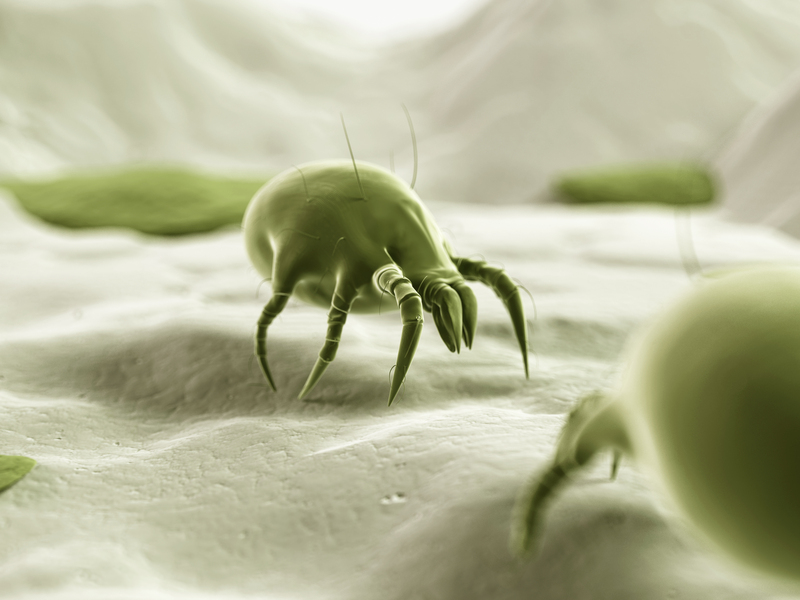
Dust isn't just a nuisance that dulls surfaces and makes your floors feel gritty. It's a complex mixture of skin cells, textile fibres, pet dander, pollen, soot, microplastics, and microscopic mites that can irritate airways and aggravate allergies and asthma. The good news: you can dramatically reduce dust and allergens with a few effective habits for a cleaner home with less dust and allergens. This expert-led, UK-focused guide distils building science, hygiene standards, and real-world practice into simple routines that deliver measurable results.
Whether you're a parent tackling children's allergies, a pet owner battling dander, or simply aiming for a fresher, healthier living space, the strategies below will help you build sustainable, science-backed habits. We'll cover daily and weekly routines, the right equipment (and what to avoid), UK standards that matter, and a practical checklist to keep you on track.
Table of Contents
- Why This Topic Matters
- Key Benefits
- Step-by-Step Guidance
- Expert Tips
- Common Mistakes to Avoid
- Case Study or Real-World Example
- Tools, Resources & Recommendations
- Law, Compliance or Industry Standards (UK-focused)
- Checklist
- Conclusion with CTA
- FAQ
Why This Topic Matters
Indoor air quality (IAQ) directly influences wellbeing, productivity, and quality of sleep. The average person spends over 90% of their time indoors, and dust is a major reservoir for allergens such as dust mite proteins, pet dander, pollen fragments, and mould spores. Chronic exposure can worsen asthma and rhinitis symptoms, especially in children and older adults. According to UK public health guidance, controlling damp and mould, maintaining adequate ventilation, and good housekeeping are central to respiratory health. The World Health Organization's PM2.5 guideline highlights the risks of fine particulate exposure; and the UK Government's Environment Act targets aim to reduce population exposure to PM2.5.
Crucially, dust is not merely airborne. It settles into textiles, mattresses, carpets, curtains, and cluttered surfaces. This is why effective habits for a cleaner home with less dust and allergens focus on both air and surfaces: preventing entry, capturing particles before they spread, and removing reservoirs at the right frequency.
Key Benefits
- Easier breathing and fewer symptoms: Consistent dust and allergen control can reduce sneezing, nasal congestion, and irritation for allergy sufferers and asthmatics.
- Cleaner surfaces for longer: With the right habits, dust build-up slows, reducing the time you spend cleaning.
- Healthier sleep: Washing bedding at 60?C and using allergen-proof encasements helps reduce exposure to dust mites at night.
- Lower mould risk: Managing humidity (typically 40-50% relative humidity) deters dust mites and mould growth.
- Improved IAQ: Correct ventilation and HEPA filtration reduce fine particles, smoke residue, and odours.
- Cost savings: Preventative habits protect furnishings and carpets and can reduce medical costs related to allergy management.
- Better long-term outcomes: Small daily routines lead to lasting reductions in dust reservoirs and allergen levels.
Step-by-Step Guidance
Use this staged approach to embed effective habits for a cleaner home with less dust and allergens. Start with entry control and high-impact weekly routines, then layer advanced measures.
1) Control what enters your home
- Adopt a shoe-free policy: Facilities management studies indicate that up to 80% of floor soil is tracked in from outdoors. Place heavy-duty scraper mats outside and absorbent mats inside doors. Keep a shoe rack by the entrance to make the habit effortless.
- Groom pets strategically: Brush pets outdoors or in a well-ventilated area. Use a pet-appropriate de-shedding tool and wipe paws after walks to reduce grit and pollen ingress.
- Manage windows smartly: Ventilate when outdoor pollen and pollution are lower (often early morning or after rainfall). During high pollen alerts, favour mechanical ventilation or air purifiers.
2) Optimise ventilation and humidity
- Target 40-50% relative humidity (RH): Dust mites thrive above ~50% RH. Use a hygrometer to monitor; deploy a dehumidifier in damp-prone spaces or run extractor fans in kitchens/bathrooms as per Approved Document F.
- Use extractor fans correctly: Run bathroom fans for 15-20 minutes post-shower; use cooker hoods ducted to outside when boiling or frying to capture moisture and particulates.
- Consider MVHR or trickle vents: In airtight UK homes, Mechanical Ventilation with Heat Recovery (MVHR) helps ensure fresh, filtered air without heat loss. Keep trickle vents open for background ventilation.
3) Choose the right equipment
- HEPA vacuum with sealed body: Look for HEPA H13-H14 (EN 1822) and a fully sealed system so air doesn't bypass the filter. Use motorised brush heads on carpets and a soft brush on hard floors.
- Microfibre cloths: High-quality split microfibre grabs dust electrostatically. Damp dusting (lightly moistened cloth) is superior to dry feather dusters which re-aerosolise particles.
- Air purifier sized to the room: Check CADR appropriate to your room volume and favour HEPA (H13+) filters. Place away from obstructions to promote circulation.
4) Establish high-impact routines
- Bedroom priority: Wash bedding weekly at 60?C or above. Use dust mite-proof encasements for mattresses and pillows (pore size <10 um). Vacuum the mattress surface monthly.
- Dust top-to-bottom: Start with high shelves and light fittings, then furniture, finishing with skirting boards and floors. Always vacuum last.
- Vacuum slowly and methodically: Two passes in different directions on carpets capture more embedded dust and dander. Edge and crevice tools remove dust where it accumulates most.
- Laundry discipline: Don't overfill machines; sufficient water flow helps rinse allergens. Dry thoroughly to prevent mould in fabrics.
- Declutter surfaces: The fewer objects you need to dust around, the more effective each cleaning pass becomes.
5) Target common reservoirs
- Soft furnishings: Wash throws and cushion covers regularly. Consider blinds over heavy curtains in bedrooms; if using curtains, launder or steam clean seasonally.
- Carpets and rugs: Vacuum at least twice weekly; deep-clean every 6-12 months depending on footfall and pets.
- Mattresses and pillows: Encase, vacuum, and air. Replace pillows every 1-2 years; mattresses typically every 7-10 years.
- Wardrobes and storage: Store seldom-used items in sealed containers. Wipe closet shelves quarterly; dust tracks on sliding doors trap debris.
6) Maintain your equipment
- Change vacuum bags and filters on schedule: Overfull bags reduce suction and re-release particles.
- Wash microfibre separately: Avoid fabric softener; it coats fibres and reduces dust-grabbing capacity.
- Service dehumidifiers and purifiers: Clean pre-filters monthly and replace HEPA/activated carbon filters as specified.
7) Adopt low-emission habits
- Use fragrance-free, low-VOC products: Many scented cleaners and aerosols add to indoor particulate load and volatile organic compounds.
- Avoid frequent burning of candles/incense: These generate soot and ultrafine particles. If used, ventilate and trim wicks.
- Smoke-free policy indoors: Tobacco smoke is a major source of PM2.5 and residues that cling to fabrics.
Expert Tips
- Measure what matters: A reliable hygrometer and a consumer PM2.5 monitor help validate progress. If your purifier includes sensors, place it where you actually spend time, not in a corridor.
- Seasonal strategy: During high-pollen months, keep windows closed at peak times, shower before bed, and wash hair to remove pollen.
- Zone cleaning: Prioritise bedrooms and living areas first. Kitchens and bathrooms are next, with special attention to moisture control.
- Microfibre method: Fold cloths into quarters. Use each clean face before rinsing; this multiplies effective surface area and avoids redepositing dust.
- Carpet care: Set vacuum height correctly: too low flattens pile and reduces airflow; too high misses dirt. Test by seeing if the vacuum head just grips the carpet.
- Entryway upgrade: Three-stage matting (scraper outside, bristle at threshold, absorbent inside) drastically cuts tracked-in particulates.
- Smart storage: Use lidded boxes under beds and in lofts. Dust loves textiles; sealed storage reduces fibre shedding and accumulation.
- Data-informed decluttering: If an area re-dusts quickly, it probably has micro-airflow or static issues. Remove nonessential decor in that zone and observe the change.
Common Mistakes to Avoid
- Dry dusting with feather dusters: They just redistribute particles into the air. Use damp microfibre or a vacuum with a dusting brush.
- Ignoring filters: The best purifier or vacuum is useless with clogged or inferior filters. Choose certified HEPA and follow replacement intervals.
- Over-humidifying: Humidifiers can ease dryness in winter but push RH beyond 50% and you invite dust mites and mould.
- Carpet powder overuse: Many powders add fragrance and fine residues that are hard to remove. If used, vacuum thoroughly with a HEPA machine.
- Skipping ventilation during cleaning: Vacuuming and changing beds can resuspend dust. Open a window or run a purifier on high during and 20 minutes after.
- Forgetting soft surfaces: Cushions, throws, and fabric headboards are dust reservoirs. Put them on a cleaning schedule.
- Using the wrong cloths: Old T-shirts and paper towels push dust around. Invest in quality microfibre and keep them clean.
Case Study or Real-World Example
Context: A two-bedroom flat in Manchester with one cat and two occupants reported constant dust on surfaces and morning congestion. The home had double glazing, limited trickle vent use, and no dedicated air purifier.
Interventions:
- Shoe-free policy and three-stage entry mats
- Hygrometer added; RH maintained between 40-50% using bathroom/kitchen extraction and a small dehumidifier in autumn
- HEPA H13 sealed vacuum; twice-weekly thorough vacuuming, including edges and under furniture
- Weekly damp microfibre dusting top-to-bottom; curtains vacuumed with an upholstery tool monthly
- Bedding washed weekly at 60?C; dust mite-proof encasements installed
- H13 air purifier added to bedroom, CADR matched to room volume
Measured results (consumer sensors, 60-day average): PM2.5 daytime average reduced from ~18 ug/m? to ~8 ug/m?; morning congestion significantly reduced by self-report. Visual dust on surfaces decreased, with dusting needed weekly instead of every 2-3 days. While consumer monitors are not laboratory-grade, the direction of change aligned with improved routines and comfort.
Note: Results vary with building envelope, outdoor pollution, and occupant behaviour, but this composite example illustrates how consistent habits and the right tools create a healthier, lower-dust home.
Tools, Resources & Recommendations
Here is a focused, standards-aware kit list to support effective habits for a cleaner home with less dust and allergens:
- Vacuum: Sealed-body cylinder or upright with HEPA H13-H14 (EN 1822). Look for a motorised brush for carpets and soft brush for hard floors. Check for crevice and upholstery tools.
- Air purifier: True HEPA (H13+) and activated carbon. CADR appropriate to room size; aim for at least 4-5 air changes per hour in bedrooms for allergy control.
- Microfibre cloths and mop pads: Split microfibre, high GSM. Dedicated colours for separate rooms to prevent cross-contamination.
- Dehumidifier: Reliable UK-appropriate unit with auto-defrost and humidistat control. Place centrally in the damp zone and ensure good airflow.
- Allergen-proof bedding encasements: Pore size under 10 um; zippered and breathable. Washable at 60?C.
- Hygrometer: Digital model with max/min recording helps identify daily RH patterns.
- Entry mats: Scraper, brush, and absorbent mats in sequence.
- Lidded storage boxes: For off-season clothing, spare bedding, and textiles that shed fibres.
Nice-to-have: A handheld vacuum for daily touch-ups; a steam cleaner for curtains and mattresses (use carefully to avoid overwetting); a PM2.5 monitor to guide purifier use.
Law, Compliance or Industry Standards (UK-focused if applicable)
- Ventilation (Approved Document F): UK Building Regulations require adequate ventilation to control moisture and pollutants. Use and maintain extractor fans, trickle vents, and where installed, MVHR systems.
- Damp and mould risk: The Housing Health and Safety Rating System (HHSRS) identifies damp and mould as hazards. The Homes (Fitness for Human Habitation) Act 2018 obliges landlords to address conditions that make a property unfit, including persistent damp and mould. The Social Housing (Regulation) Act 2023 and forthcoming Awaab's Law will set timeframes for mould remediation in social housing.
- Product standards: HEPA classification is defined under EN 1822; air filter performance for ventilation is covered by ISO 16890. Appliances must meet electrical safety standards (e.g., BS EN 60335). Vacuum performance testing aligns with IEC 62885.
- COSHH and HSE guidance (workplaces): For home offices or small businesses operating from home, Control of Substances Hazardous to Health regulations and HSE guidance emphasise controlling dust exposures (especially from DIY or craft activities).
- Public health guidance: UKHSA and NHS highlight managing moisture, promoting ventilation, and avoiding indoor smoking to protect respiratory health.
While private homes aren't typically regulated for IAQ, aligning with these standards and guidance helps ensure a safer, cleaner environment and supports defensible practices for landlords and home workers.
Checklist
Daily
- Keep shoes at the door; use entry mats
- Run extractor fans when cooking and after showers
- Quick spot vacuum in high-traffic areas (handheld works well)
- Wipe kitchen and dining surfaces with damp microfibre
Weekly
- Wash bedding at 60?C; change pillowcases twice weekly if allergies are severe
- Vacuum all floors, edges, and under furniture; two passes on carpets
- Top-to-bottom damp dusting of key rooms
- Clean bathroom surfaces; run fan an extra 20 minutes post-clean
Monthly
- Vacuum mattresses and upholstered furniture
- Wash or vacuum curtains and blinds (manufacturer permitting)
- Clean or replace vacuum pre-filters; wash microfibre cloths properly
- Check and clean dehumidifier/air purifier pre-filters
Seasonal
- Deep clean carpets and rugs
- Declutter and reorganise storage; seal off-season textiles
- Service ventilation systems; check trickle vents are open and clean
- Review humidity trends with your hygrometer and adjust strategy
Conclusion with CTA
Breathing easier at home doesn't require expensive overhauls. It takes consistent, effective habits for a cleaner home with less dust and allergens: control what comes in, ventilate and manage humidity, capture particles with the right tools, and keep on top of soft-surface reservoirs. These habits compound fast; within weeks you'll notice less visible dust, fresher air, and better sleep.
If you put only three things in place this week, make them a shoe-free entry with proper matting, weekly hot washing of bedding with encasements, and a sealed HEPA vacuum routine. Layer an air purifier and smart ventilation next. Your lungs, skin, and sinuses will thank you.
Get a free quote today and see how much you can save.
FAQ
How often should I vacuum to reduce dust and allergens?
At least twice weekly in living areas and bedrooms, with an additional quick pass in high-traffic zones. For allergy sufferers or pet owners, three times weekly is ideal.
Is a HEPA filter really necessary in a vacuum or air purifier?
Yes. True HEPA (H13-H14 under EN 1822) captures very fine particles including allergen fragments. Beware of HEPA-like or unverified labels; look for verified standards and a sealed system.
What relative humidity should I aim for to deter dust mites and mould?
Target 40-50% RH. Below ~50% dust mite populations struggle. Use a hygrometer to monitor and adjust ventilation or dehumidification accordingly.
Do microfibre cloths really make a difference over regular cloths?
Yes. Split microfibre has far more surface area and electrostatic attraction, grabbing dust rather than pushing it around. Use them slightly damp for best results.
Are carpets always worse than hard floors for allergies?
Carpets can harbour more dust if poorly maintained, but with sealed HEPA vacuuming and periodic deep cleaning, many households manage well. Hard floors are easier to clean but can resuspend dust if swept dry; use a vacuum or damp mop.
Where should I place an air purifier for maximum effectiveness?
Place it where you spend the most time, typically bedrooms and living rooms. Ensure unobstructed airflow, avoid corners, and choose a CADR matched to the room volume.
How often should I wash bedding to reduce dust mites?
Weekly at 60?C or higher. Use dust mite-proof encasements for pillows and mattresses, and wash duvets and blankets seasonally or as recommended.
Can houseplants improve indoor air quality in a meaningful way?
Houseplants are great for wellbeing but have minimal impact on particulate reduction compared to ventilation and HEPA filtration. Focus on proven measures first.
Should I open windows if I live near a busy road?
Ventilate strategically. Open windows during lower traffic periods or after rainfall. Consider using mechanical ventilation or an air purifier when outdoor pollution is high.
Do scented cleaners and sprays worsen dust and allergies?
Many add volatile organic compounds and fine particles. Choose fragrance-free, low-VOC products and avoid unnecessary aerosols to keep indoor air cleaner.
How do I manage pet dander effectively?
Brush pets outdoors, vacuum frequently with a HEPA machine, wash pet bedding weekly, and consider restricting pets from bedrooms if allergies are significant.
What pore size should allergen-proof encasements have?
Look for encasements with a pore size under 10 micrometres. Ensure they are breathable, zippered, and washable at 60?C.
Are dehumidifiers safe to run continuously?
Yes, if used as intended. Choose a unit with a humidistat, auto shut-off, and appropriate capacity. Clean the filter and water tank regularly to prevent microbial growth.
How can I tell if my vacuum is truly sealed?
Look for a sealed system claim from the manufacturer, HEPA exhaust filtration, and user reviews citing no dusty odour during use. If allergy symptoms worsen when vacuuming, your machine may be leaking.
What if I follow these steps and still have symptoms?
Consult your GP or an allergy specialist. You may need diagnostic testing, medication adjustments, or professional remediation if mould or hidden moisture is present.
Do candles and incense significantly impact indoor particulates?
Yes. They produce soot and ultrafine particles. If you use them, keep it occasional, trim wicks, and ventilate or run an air purifier nearby.
How quickly should I expect to see results?
Many households notice less visible dust within two weeks and better sleep and breathing within 4-6 weeks as routines stabilise and reservoirs shrink.
Is there a simple first step if I'm overwhelmed?
Start with the bedroom: encase pillows and mattress, wash bedding at 60?C weekly, and add a HEPA air purifier. This single room upgrade often delivers the biggest comfort gains.
By embedding these strategies into your routines, you will build lasting, effective habits for a cleaner home with less dust and allergens. Consistency is the quiet superpower behind every healthy, fresh, low-dust home.